How Minimalism Shapes Modern Interior Design
Interior Design Trends
|
February 2026
|
XTEND Design & Build

Minimalism isn’t about empty rooms or living without character. Done properly, it’s a design approach that makes a home feel calmer, brighter, and more intentional. In high end interiors, minimalism is less a style and more a discipline: fewer elements, better chosen, and executed with precision.
- Space becomes the feature
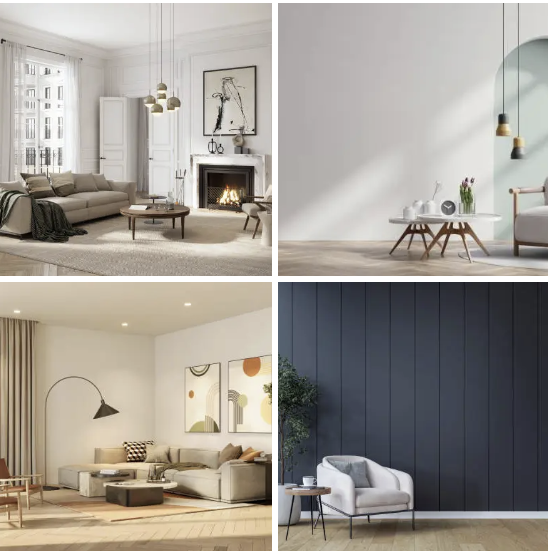
When the visual noise drops, proportion and flow take centre stage. Clear sightlines, wider thresholds, and thoughtful zoning make everyday living feel effortless. Minimalism highlights the architecture and the build quality, not just the furnishings. - Materials do the heavy lifting
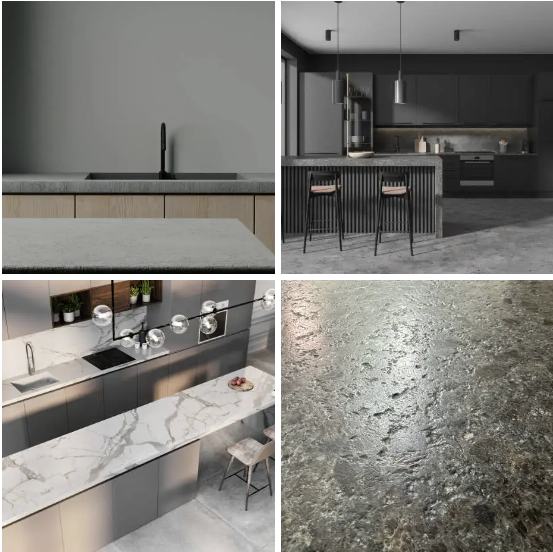
Minimal spaces rely on tactile, honest materials to create warmth. Timber, stone, limewash, microcement, and textured fabrics bring depth without clutter. The key is restraint: a limited palette, repeated consistently, so the home reads calm and cohesive. - Joinery replaces “stuff”
One of the most effective minimalist moves is hiding the everyday. Full height storage, integrated appliances, shadow gaps, and flush doors keep rooms feeling composed. When storage is designed as part of the architecture, the space stays functional without looking busy. - Light is treated like a material
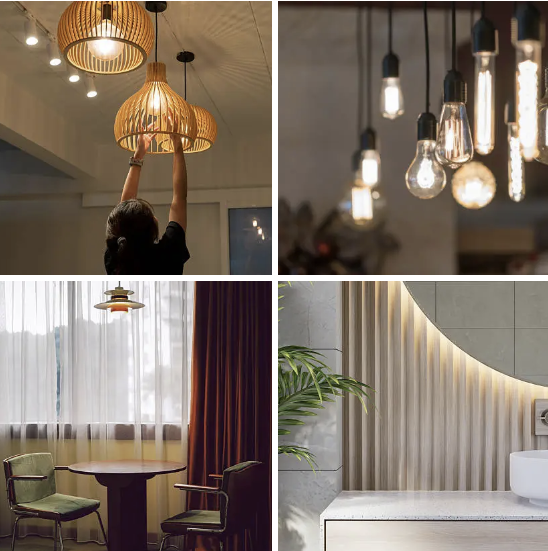
Minimalism elevates natural light and uses artificial lighting to sculpt the room. Instead of lots of decorative fittings, we lean into layered lighting: discreet downlights, linear details, wall washes, and carefully placed feature pendants where they matter. Good lighting makes minimal interiors feel rich. - Details matter more than ever
With fewer elements, the eye notices everything: alignment, junctions, edges, and finishes. That’s why minimalist interiors demand strong project management and craftsmanship. Perfect plaster lines, consistent reveals, clean tile cuts, and accurate carpentry are what separate “plain” from premium. - It creates a better backdrop for living
Minimalism isn’t cold when it’s tailored to the client. A neutral foundation allows art, books, and personal pieces to stand out. The goal isn’t to remove personality, it’s to give it space to breathe.
The XTEND view
Minimalism works best when design and build are treated as one process. When structure, lighting, joinery, and finishes are coordinated early, the final result feels quiet, confident, and built to last.